Browse Number Registry Reports for 3510178425, 3510641914, 3248759853, 3509339391, 3337850549

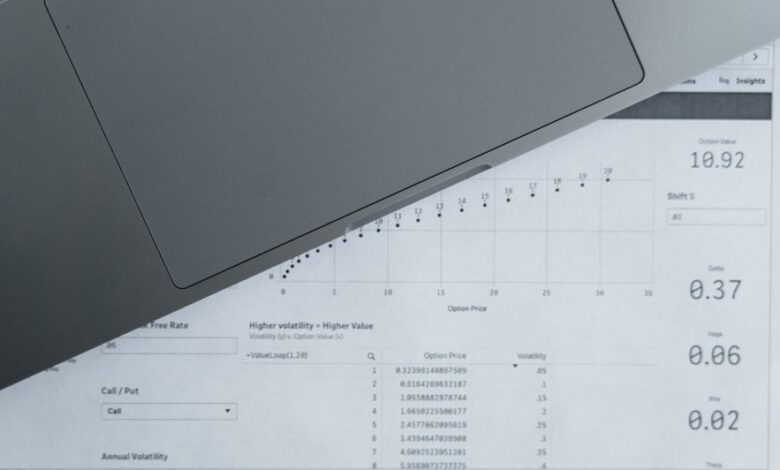
Browse Number Registry Reports for 3510178425, 3510641914, 3248759853, 3509339391, and 3337850549 offer a structured view of ownership, status, and usage. The documents separate factual fields from interpretive commentary and emphasize timestamps, provenance, and source references. They aim to support reproducible audits and lifecycle trend analysis while noting anomalies. The discussion highlights stability with intermittent transfers and varying engagement, but leaves open questions about governance, verification, and future updates.
What Are Browse Number Registry Reports?
Browse Number Registry Reports are systematic compilations that document the assignments and statuses of specific browse numbers across applicable registries. They present browsing data, registry insights, and ownership verification outcomes. The reports capture usage patterns and lifecycle trends, enabling anomaly detection while maintaining objectivity. They serve as precise references for stakeholders seeking freedom through transparent, verifiable, and structured ownership and history assessments.
How to Read a Registry Report for the Five Numbers
Understanding how to read a registry report for the five numbers entails a precise, methodical approach that decouples ownership data from commentary. The reader examines corroborating fields, timestamps, and source references, then maps entries to data provenance. Clarity benefits emerge from standardized definitions and consistent formatting, enabling auditability. The method supports disciplined verification and reproducibility without interpretive bias.
Trend Insights: Ownership, Usage, and Lifecycle Across the Five IDs
The analysis of trend insights examines how ownership, usage patterns, and lifecycle stages evolve across the five IDs: 3510178425, 3510641914, 3248759853, 3509339391, and 3337850549. Across the dataset, ownership trends show gradual stability with intermittent transfers; usage dynamics reveal variable engagement, while lifecycle patterns indicate periodic renewal cycles. These observations support disciplined documentation and transparent tracking of ownership, usage, and lifecycle trajectories.
Practical Uses: Verifying Legitimacy and Spotting Anomalies
Practical verification of legitimacy and detection of anomalies rely on systematic examination of each identifier’s provenance, usage history, and lifecycle milestones. The process emphasizes traceability, reproducible checks, and documented justifications, rather than assumptions. Analysts consider data privacy implications, assess provenance sources, and mitigate abstraction bias by clarifying definitions, boundaries, and uncertainties for transparent, freedom-respecting governance of registry insights.
Conclusion
The five registry reports provide precise, methodical documentation of ownership, status, and usage. They present structured, verifiable data with clear provenance, timestamps, and source references. They reveal gradual ownership stability with intermittent transfers, varying engagement, and recurring renewal cycles. They emphasize objectivity, transparent definitions, and privacy-conscious reporting. They enable reproducible audits and anomaly detection, while supporting accountability, traceability, and governance. They enable verification, transparency, and consistency in registry reporting.