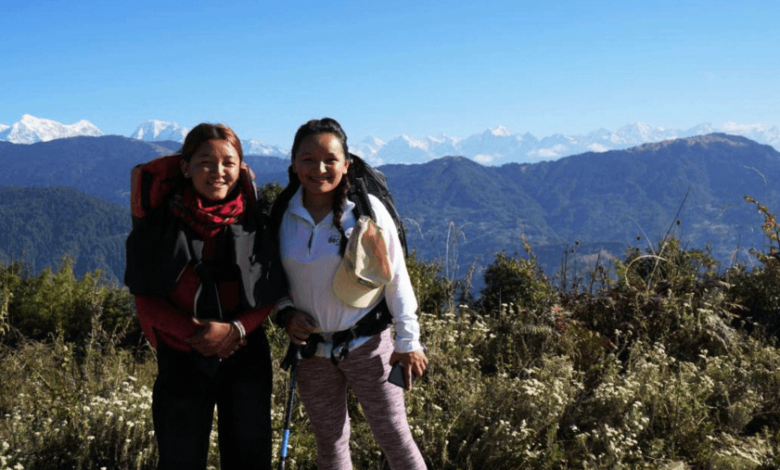
Nepal is globally renowned for its towering Himalaya, iconic trekking routes, and breathtaking landscapes. While routes like Everest Base Camp and Annapurna Circuit attract massive crowds every year, there are still pristine and less-explored trails that offer equally mesmerizing experiences. Among these hidden treasures are the Pikey Peak Trek and the Sailung Trek—two off-the-beaten-path adventures that combine natural beauty, cultural richness, and serene solitude.
This article explores both treks in depth, highlighting their unique features, routes, difficulty levels, and why they deserve a place on every trekker’s bucket list.
Pikey Peak Trek: A Short Trek with Stunning Everest Views
The Pikey Peak Trek is one of the best short trekking routes in Nepal, located in the lower Everest region (Solukhumbu district). It is especially popular among trekkers who want to experience the grandeur of Mount Everest without committing to a long and physically demanding expedition.
Why Choose Pikey Peak Trek?
Pikey Peak stands at an altitude of 4,065 meters (13,336 feet) and offers one of the most spectacular panoramic views of the Himalayan range. In fact, Sir Edmund Hillary once claimed that the view of Everest from Pikey Peak is his favorite.
From the summit, trekkers can witness a breathtaking panorama that includes:
- Mount Everest (8,848 m)
- Kanchenjunga
- Makalu
- Lhotse
- Annapurna range (on clear days)
The sunrise and sunset views from Pikey Peak are particularly unforgettable, as the mountains glow in shades of gold and pink.
Route and Itinerary
The trek typically starts with a drive or flight from Kathmandu to Dhap or Phaplu. From there, the trail passes through charming villages, dense forests, and terraced farmlands.
A standard itinerary includes:
- Day 1: Kathmandu to Dhap
- Day 2: Dhap to Jhapre
- Day 3: Jhapre to Pikey Base Camp
- Day 4: Summit Pikey Peak and descend to Junbesi
- Day 5–6: Explore Junbesi and return
The route is well-marked and passes through traditional Sherpa villages, monasteries, and yak pastures, offering a deep cultural experience.
Cultural Experience
One of the highlights of the Pikey Peak Trek is the opportunity to experience Sherpa culture without the crowds of the Everest Base Camp route. Trekkers can visit ancient monasteries, interact with locals, and observe traditional Himalayan lifestyles.
Junbesi village, in particular, is a cultural hub with a beautiful monastery and warm hospitality.
Difficulty Level
The trek is considered moderate, making it suitable for beginners with a reasonable level of fitness. The trails are not overly steep, and the altitude gain is gradual, reducing the risk of altitude sickness.
Best Time to Visit
The ideal seasons for the Pikey Peak Trek are:
- Spring (March to May): Blooming rhododendrons and clear skies
- Autumn (September to November): Crisp air and excellent visibility
Sailung Trek: The Land of a Hundred Hills
The Sailung Trek is another lesser-known trekking route located in the Dolakha and Ramechhap districts of Nepal. The name “Sailung” means “a place of one hundred hills,” and true to its name, the region offers rolling green hills, spiritual sites, and panoramic Himalayan views.
Why Choose Sailung Trek?
Unlike high-altitude treks, Sailung offers a unique combination of natural beauty and spiritual significance. It is ideal for trekkers looking for a peaceful and culturally enriching experience.
From Sailung Hill (approximately 3,146 meters), trekkers can enjoy stunning views of:
- Everest
- Langtang range
- Ganesh Himal
- Rolwaling Himal
The landscape is especially beautiful during sunrise and sunset, with misty hills and golden light creating a magical atmosphere.
Route and Itinerary
The Sailung Trek usually begins with a drive from Kathmandu to Charikot or Mude. From there, the trekking trail leads through traditional villages, forests, and open ridges.
A typical itinerary includes:
- Day 1: Kathmandu to Mude
- Day 2: Trek to Sailung Hill
- Day 3: Explore Sailung and surrounding areas
- Day 4–5: Trek through villages and return
The trek can be customized depending on time and preferences, making it flexible for different types of travelers.
Cultural and Spiritual Significance
Sailung is not just a trekking destination—it is also a sacred site for both Hindus and Buddhists. The area is dotted with monasteries, chortens, and prayer flags.
During full moon festivals, pilgrims gather here for religious ceremonies, making it a vibrant cultural experience.
Trekkers can also interact with local communities, including Tamang, Sherpa, and Newar people, gaining insight into their traditions and lifestyles.
Natural Beauty
The Sailung region is rich in biodiversity. The trail passes through:
- Rhododendron forests
- Alpine meadows
- Rolling hills and grasslands
In spring, the hills are covered with colorful flowers, while in winter, the region may experience snowfall, adding to its charm.
Difficulty Level
The Sailung Trek is considered easy to moderate, making it suitable for beginners, families, and even older travelers. The altitude is relatively low compared to other Himalayan treks, reducing physical strain.
Best Time to Visit
The best seasons for the Sailung Trek are:
- Spring (March to May): Flowers in bloom
- Autumn (September to November): Clear mountain views
Winter trekking is also possible but may involve cold temperatures.
See also: Why I Chose Flamingo Transworld for My Japan Tour Packages: A Traveler’s Review
Pikey Peak vs. Sailung Trek: A Comparison
Both treks offer unique experiences, but they cater to slightly different preferences.
| Feature | Pikey Peak Trek | Sailung Trek |
| Maximum Altitude | 4,065 m | 3,146 m |
| Difficulty | Moderate | Easy to Moderate |
| Duration | 5–7 days | 3–5 days |
| Main Highlight | Everest panorama | Rolling hills & spirituality |
| Crowds | Low | Very low |
| Cultural Experience | Sherpa culture | Mixed ethnic communities |
If your goal is to see Everest up close with minimal effort, Pikey Peak is ideal. If you prefer a peaceful, culturally rich trek with gentle landscapes, Sailung is the better choice.
Why These Treks Are Perfect Alternatives
In recent years, popular trekking routes in Nepal have become crowded and commercialized. The Pikey Peak and Sailung trek offer a refreshing alternative by providing:
- Solitude: Fewer tourists and quieter trails
- Authenticity: Genuine cultural interactions
- Affordability: Lower costs compared to major treks
- Accessibility: Shorter durations and easier logistics
These treks are perfect for travelers who want to experience the Himalayas without the hustle and bustle of mainstream routes.
Practical Tips for Trekkers
Before embarking on either trek, consider the following:
- Fitness: Basic physical fitness is sufficient, but regular walking or light training helps
- Gear: Pack warm clothing, sturdy boots, and essentials
- Guides: Hiring a local guide enhances safety and cultural understanding
- Permits: Check necessary permits before traveling
- Weather: Always monitor weather conditions, especially in higher elevations
Conclusion
The Pikey Peak Trek and Sailung Trek are two of Nepal’s most underrated trekking experiences. While Pikey Peak offers jaw-dropping views of the world’s highest mountains, Sailung provides a serene journey through spiritual landscapes and rolling hills.
Both treks showcase the beauty, culture, and diversity of Nepal in their own unique ways. Whether you are a beginner looking for your first Himalayan adventure or an experienced trekker seeking new paths, these trails promise unforgettable memories.
Choosing between them ultimately depends on your preferences—but whichever you pick, you’ll discover a side of Nepal that remains untouched, authentic, and deeply inspiring.