
Imagine walking down a city street, and practically every step you take is being watched by a little digital eye. That’s the reality with smart cameras. These aren’t just any regular cameras; they’re supercharged with tech like real-time monitoring and facial recognition. This means they can track your movements, recognize faces in a crowd, and even predict if someone’s about to do something shady.
Real-time monitoring is like having a security guard who never blinks. These cameras are linked to central systems that can analyze footage instantly. So, if anything out of the ordinary happens, like a sudden gathering or suspicious activity, the system flags it immediately. It’s a bit like having an ever-watchful eye keeping tabs on everything—kind of reassuring and creepy at the same time.
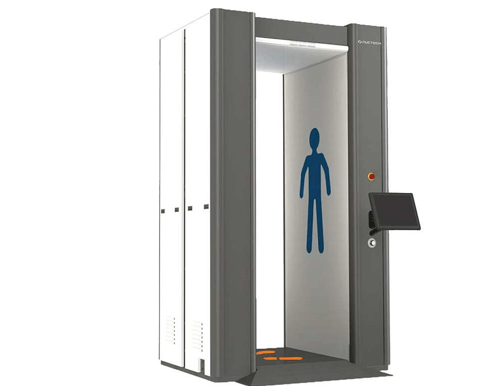
Facial recognition adds another layer to this surveillance soup. By comparing live footage to databases of known offenders or missing persons, these cameras can alert authorities in real-time. It sounds like something straight out of a sci-fi movie, but it’s happening now. Just think about airports or large events where security is paramount; these cameras and systems like a body scanner can make them safer by spotting potential threats before they can act. But there’s always that nagging question: How much privacy are we willing to sacrifice for security?
Drones patrolling the skies
Then there are drones, zipping around above us like mechanical birds. Unlike traditional ground patrols, drones can cover large areas quickly, capturing live video from various angles. They’re especially handy for hard-to-reach places or when speed is crucial.
Drones can be equipped with all sorts of gadgets—high-definition cameras, thermal imaging sensors, even loudspeakers for crowd control. Additionally, integrating an explosive detection system into these drones can further enhance their capability in maintaining public safety. They can provide real-time data to ground teams, making it easier to coordinate responses during emergencies or large events. Plus, their mere presence can be a deterrent for would-be troublemakers.
But let’s be honest: there’s something unnerving about drones hovering overhead. Are they watching us? Listening? It brings up all sorts of ethical questions about surveillance and personal freedom. Yet, there’s no denying their effectiveness in enhancing public safety. Balancing these benefits with privacy concerns is an ongoing challenge.
Ai to predict and prevent crime
Artificial Intelligence (AI) is like the brain behind modern security systems. It’s not just about reacting to incidents anymore; AI aims to predict and prevent crime before it happens. Using algorithms that analyze patterns in data—everything from social media posts to historical crime data—AI systems can forecast where crimes are likely to occur.
This predictive policing can help allocate resources more efficiently. If AI says there’s a higher chance of theft in a particular neighborhood on Friday nights, police can increase their presence there preemptively. It’s kind of like having a crystal ball that actually works (most of the time).
Of course, this isn’t foolproof. The accuracy of these predictions depends on the quality and breadth of the data fed into the system. And there’s always the risk of bias creeping into these algorithms, unfairly targeting certain communities. So while AI has huge potential, it must be used carefully and ethically to avoid unintended consequences.
Enhanced emergency response systems
When emergencies strike, every second counts. Enhanced emergency response systems leverage technology to improve coordination and speed up reaction times. Think of smart traffic lights that automatically change to green for emergency vehicles or apps that provide real-time updates to responders en route.
These systems also include advanced communication networks that ensure first responders have the information they need as situations unfold. For instance, wearable tech can monitor firefighters’ health metrics in real-time, alerting command centers if someone’s vitals drop dangerously low. It’s tech coming together in a life-saving symphony.
But implementing these systems isn’t without its hurdles. Infrastructure upgrades can be costly and time-consuming. And integrating these technologies across various agencies requires seamless collaboration—a tall order in many places. Still, the potential benefits make it a worthwhile investment in public safety.
See also: Business Risk Analysis Techniques 3758045109
The promise of biometric security
Biometric security is all about using unique physical characteristics—like fingerprints, iris patterns, or even voice recognition—to verify identities. It’s already commonplace in smartphones and laptops, but its applications are expanding rapidly.
In high-security areas like airports or government buildings, biometric scanners ensure that only authorized individuals gain access. This minimizes the risk of unauthorized entry and enhances overall security protocols. Imagine not needing keys or cards anymore; just a quick scan of your fingerprint or retina lets you in.
However, like all innovations, biometric security has its pitfalls. Concerns over data privacy and the potential for identity theft loom large. What happens if someone hacks into a database containing biometric information? Unlike passwords, you can’t just change your fingerprint or retina pattern. Despite these concerns, the convenience and enhanced security offered by biometric systems make them an increasingly popular choice.


