Business Performance Tracker on 8775787552, 9088290335, 37551711, 23399480, 9513664154, 120990736


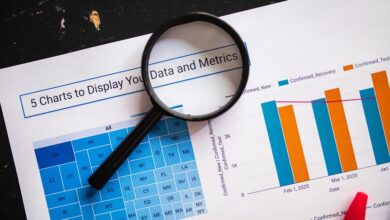
The Business Performance Tracker serves as a critical tool for organizations aiming to refine their performance metrics. By leveraging real-time analytics, it aligns team objectives and promotes collaboration. This systematic evaluation of strengths and weaknesses can lead to more informed decision-making. However, the effectiveness of the tracker hinges on its implementation and the analysis of data it generates. Understanding these nuances could significantly influence an organization’s strategic direction. What remains to be uncovered is the best approach to achieve this.
Understanding the Importance of Performance Tracking
How can organizations effectively gauge their success and identify areas for improvement? The importance of metrics lies in their ability to provide quantifiable insights into performance.
By tracking benefits through systematic evaluations, organizations can uncover strengths and weaknesses, fostering informed decision-making.
Ultimately, a robust performance tracking system empowers entities to adapt, innovate, and pursue their goals with greater freedom and strategic foresight.
Key Features of the Business Performance Tracker
While the landscape of business performance tracking can vary significantly across industries, certain key features consistently emerge as essential for effective measurement and analysis.
Real-time analytics provide immediate insights, enabling organizations to make informed decisions swiftly.
Additionally, goal alignment ensures that all team members are working towards shared objectives, fostering collaboration and enhancing overall performance.
These features are critical for achieving strategic business success.
How to Implement the Tracker in Your Organization
To successfully implement a Business Performance Tracker within an organization, it is crucial to establish a structured approach that encompasses clear objectives, stakeholder engagement, and robust training.
Effective tracker integration involves aligning performance metrics with organizational goals, ensuring all team members understand their roles.
Regular feedback loops are essential for continuous improvement, allowing for agile adjustments based on the insights derived from the tracker’s data.
Analyzing Data for Strategic Decision-Making
Following the successful implementation of a Business Performance Tracker, organizations can leverage the data collected to inform strategic decision-making.
By utilizing data visualization techniques, decision-makers can interpret performance metrics effectively, identifying trends and areas for improvement.
This analytical approach empowers organizations to make informed choices, enhancing operational efficiency and fostering a culture of continuous improvement, ultimately leading to greater autonomy and success.
Conclusion
In conclusion, the Business Performance Tracker serves as a compass, guiding organizations through the complex landscape of performance metrics and strategic decision-making. By harnessing real-time analytics and fostering team alignment, businesses can not only identify their strengths and weaknesses but also cultivate a culture of continuous improvement. Ultimately, the implementation of this tracker is not merely a tactical advantage; it is a catalyst for organizational success, empowering teams to navigate challenges with agility and foresight.